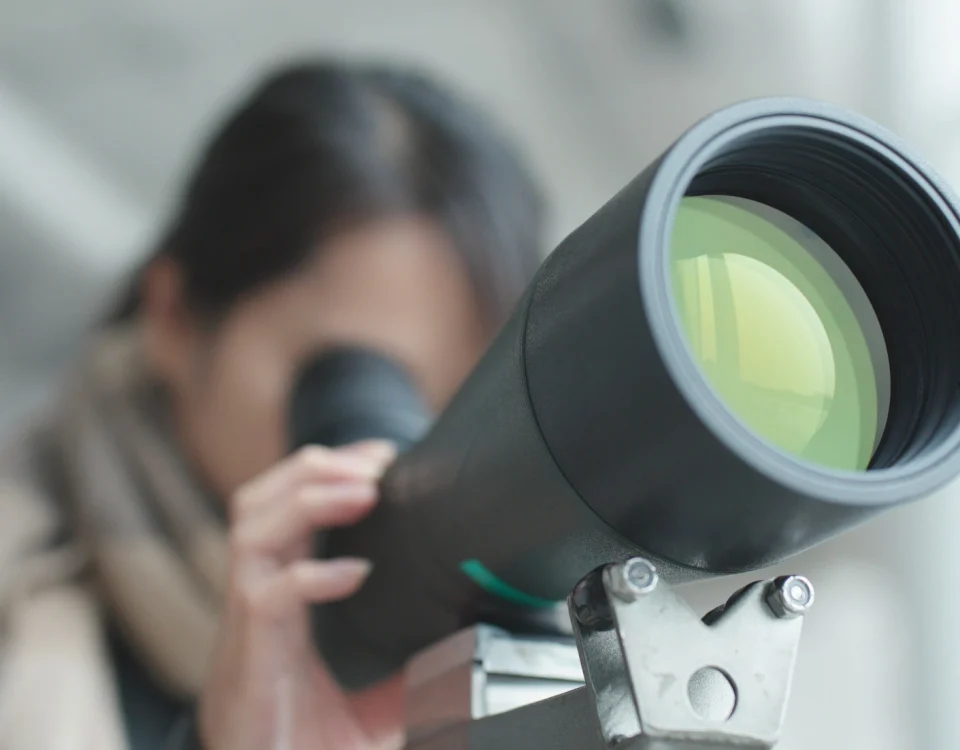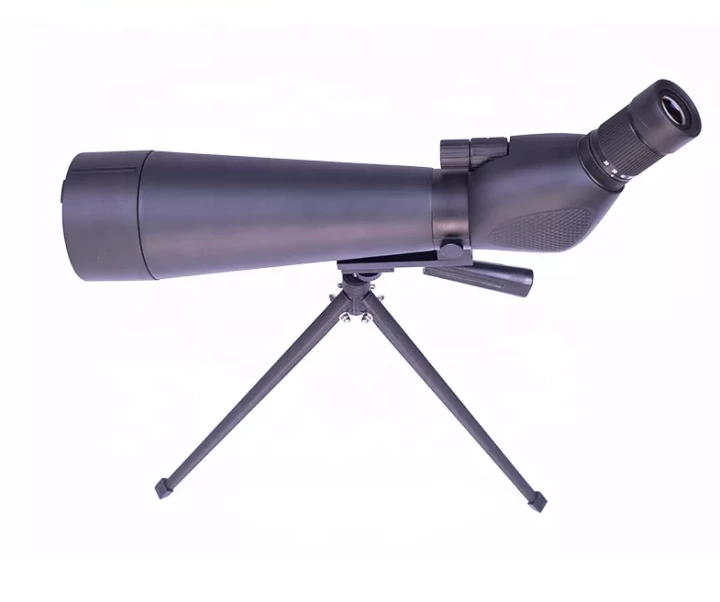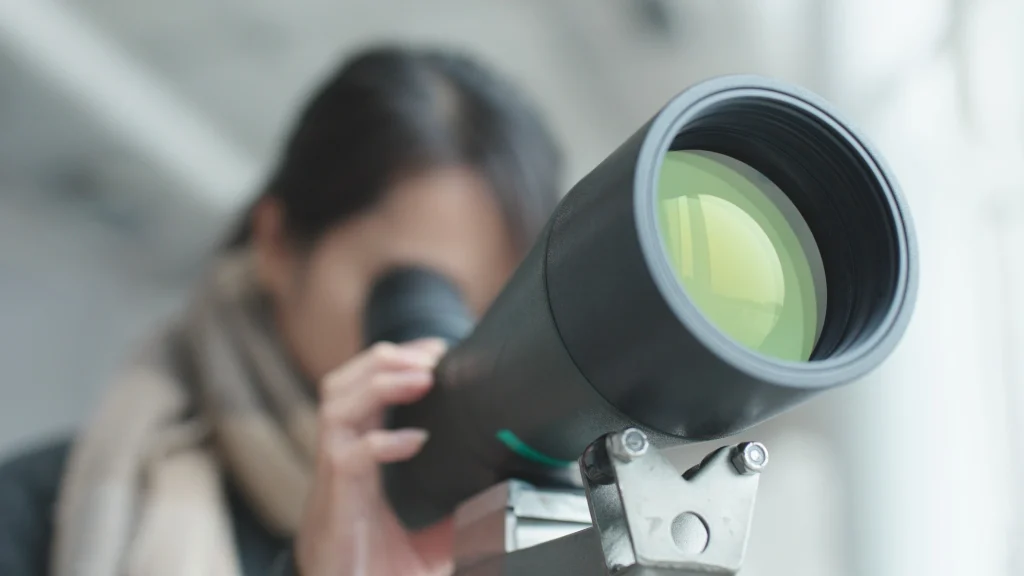
When schools and universities in Sri Lanka decide to invest in astronomy equipment, they aren’t just purchasing hardware—they are opening a door to the universe for their students. A telescope is often the very first scientific instrument through which learners witness the wonders of space with their own eyes. Among the choices available, reflector telescopes continue to be the preferred option for classrooms and labs. They are versatile, affordable, and designed to capture faint celestial objects that would otherwise remain invisible. At ColperLab, we recognize that institutions need telescopes that balance precision with practicality, ensuring learning experiences are as memorable as they are educational.
Table of Contents
Opening the Window to the Deep Sky with Reflector Telescopes
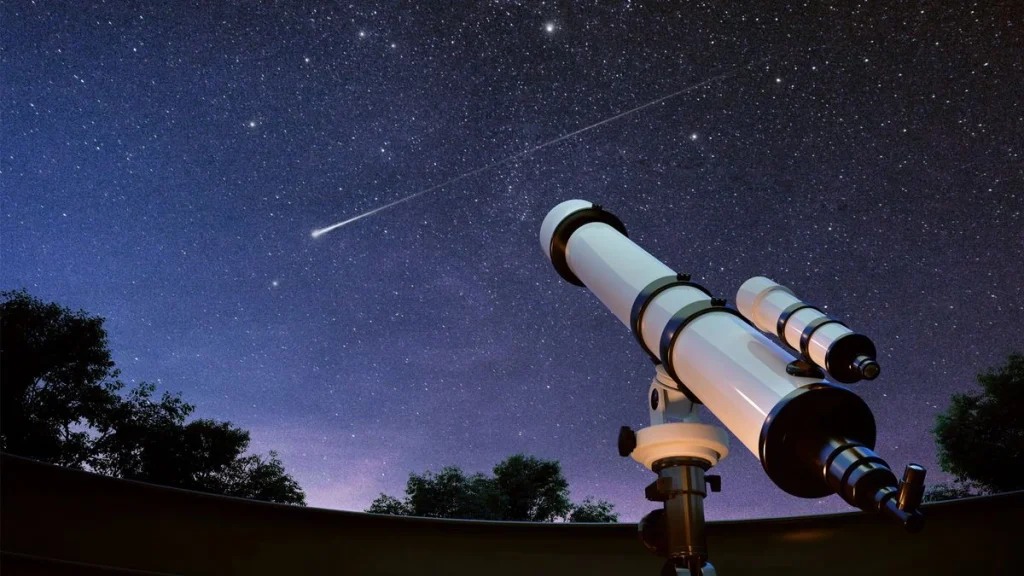
Few educational tools rival the transformative power of a telescope. For many students, the first sight of Saturn’s rings or the Milky Way’s dense star fields ignites a lifelong interest in science. Reflector telescopes make these moments more accessible.
Their larger apertures, compared to refractors of similar cost, allow reflectors to gather enough light to reveal distant galaxies like Andromeda, sprawling nebulae such as Orion, and tight-knit clusters like the Pleiades. The images may not rival those of space observatories, but they are more than enough to inspire awe. As covered in our guide to reflector telescopes for school astronomy labs, the right setup helps classes see more on clear Sri Lankan nights.
In practical terms, this means schools can:
- Hold observation nights where entire classes rotate to view a nebula.
- Introduce first-year students to concepts like stellar magnitude through real-time comparisons.
- Provide advanced learners with opportunities to practice sky surveys or basic beginner astrophotography.
These activities do more than add excitement—they connect abstract classroom theories to the night sky.
Why Mirrors Matter More Than Lenses in Reflector Telescopes
The mirror-based design of a reflector telescope is more than just an engineering choice; it fundamentally changes what students can see. Mirrors reflect all wavelengths of light equally, avoiding the colored fringing that sometimes plagues refractor lenses.
Key strengths of mirrors include:
- Light gathering: Larger primary mirrors capture faint light from deep space—ideal for deep sky objects.
- True colors: By avoiding chromatic aberration, stars and nebulae appear more accurate.
- Cost effectiveness: Larger apertures can be built without drastically increasing price.
For classrooms, this matters because faint objects that would remain invisible in smaller instruments come into reach. Many educators note that refractors excel for crisp planetary views, but when the task is deep sky observation of nebulae or galaxies, reflector telescopes consistently deliver more depth. In other words, mirrors make the night sky less abstract and more approachable—critical for students who may be seeing deep-sky objects for the very first time.
Observation as a Skill, Not Just an Activity
Astronomy is not only about looking—it is about learning how to look. Reflector telescopes provide schools with the right balance of challenge and accessibility, turning observation into a skill-building exercise.
Consider a structured classroom project:
A third team sketches the shape of a nebula across multiple nights.
These small projects encourage patience, data recording, and critical analysis. They also introduce the importance of consistency in scientific work. Alternating between different telescope types can deepen these lessons, revealing how instrument design influences what the eye perceives. For daytime field sessions and wildlife notes that complement astronomy logs, see our piece on monoculars for field research.
By framing observation as an academic discipline, teachers ensure astronomy becomes more than a fleeting spectacle—it becomes a hands-on extension of science education.
Why Institutions Gravitate Toward Reflector Telescopes
When schools weigh their options, the decision is rarely about one telescope versus another—it’s about choosing the instrument that balances cost, performance, and long-term value. Reflector telescopes often meet all three.
They are more affordable, with a 6 inch reflector telescope or 8 inch reflector telescope usually costing less than a refractor of half the light-gathering power. This allows institutions to equip multiple labs or outdoor programs without straining budgets.
They’re also practical in busy classrooms. Mirrors can be realigned or replaced more easily than lenses, making reflectors durable for frequent student use. Staff can also reinforce optics care with guidance like binocular maintenance for other field gear students may use.
Finally, their versatility ensures broad learning opportunities. Beginners can map constellations, while advanced students experiment with deep sky observation or astrophotography. Educators often point out that refractors require less upkeep, but reflector telescopes provide more room for exploration at the same investment.
Bringing Reflectors Into the Curriculum
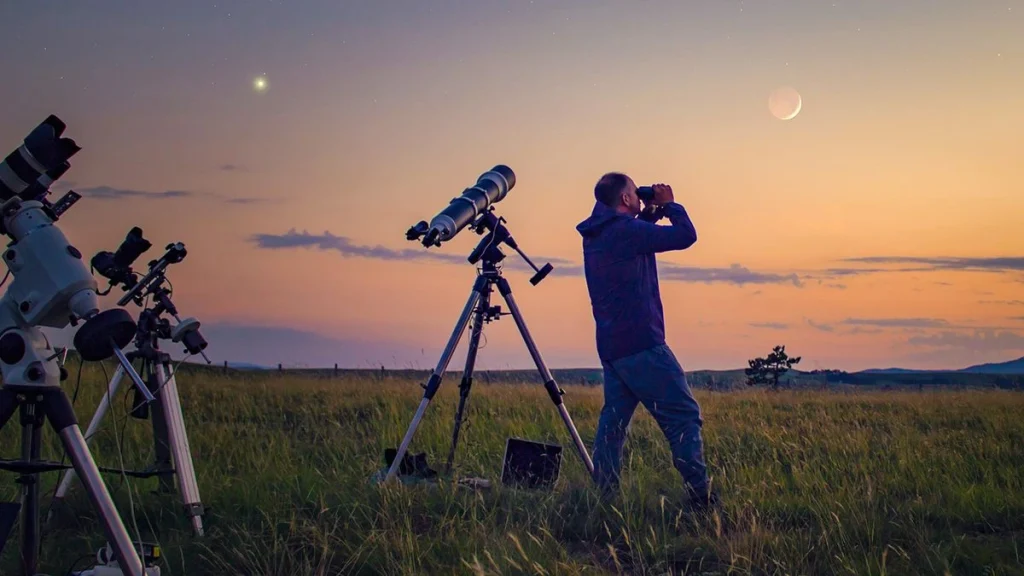
The real value of a telescope comes not just from what it shows, but from how it is used. Schools that integrate reflector telescopes into their curriculum often see the best educational outcomes.
Some approaches include:
- Observation Nights: Students take turns using reflectors under guidance, tying in with physics or earth science units.
- Research Assignments: Groups compare star magnitudes, track lunar shadows, or log meteor showers.
- Cross-Subject Integration: Art classes sketch constellations while physics students analyze optics, creating interdisciplinary projects. Rather than being stored away between rare uses, reflector telescopes can become a regular feature of learning. Even simple exercises like timing the rotation of Jupiter’s moons or tracking the appearance of a comet demonstrate the power of systematic observation. For daylight trials and quick captures that support class reports, consider the role of digital monoculars.
For catalogue planning, many institutions find it useful to have a small suite of reflectors:
- Compact models for classroom demonstrations.
- Mid-sized reflectors for student clubs and extracurriculars.
- A larger unit, often faculty-supervised, for advanced projects.
This ensures equipment is always matched to skill level and activity.
Beyond the Horizon: Shaping Future Explorers
Reflector telescopes are not just tools for astronomy—they are catalysts for curiosity. By allowing access to galaxies millions of light years away, they help students grasp the scale of the universe in a way no textbook alone can achieve.
Adopting reflectors creates opportunities for students to:
- Develop observation and critical thinking skills.
- Experience science as a participatory activity.
- Build memories that may inspire future studies in astronomy, physics, or engineering.
For us at ColperLab, providing these instruments is about more than meeting a catalog need—it’s about supporting educators who want to nurture discovery. Reflector telescopes combine the practical requirements of budget and durability with the emotional impact of first encounters with the cosmos.
When a student sees the cloudy tendrils of a nebula or the dense scattering of a globular cluster through a reflector telescope, they are experiencing a moment of pure wonder. That wonder often lingers, shaping how they see not just the universe, but their own place within it.