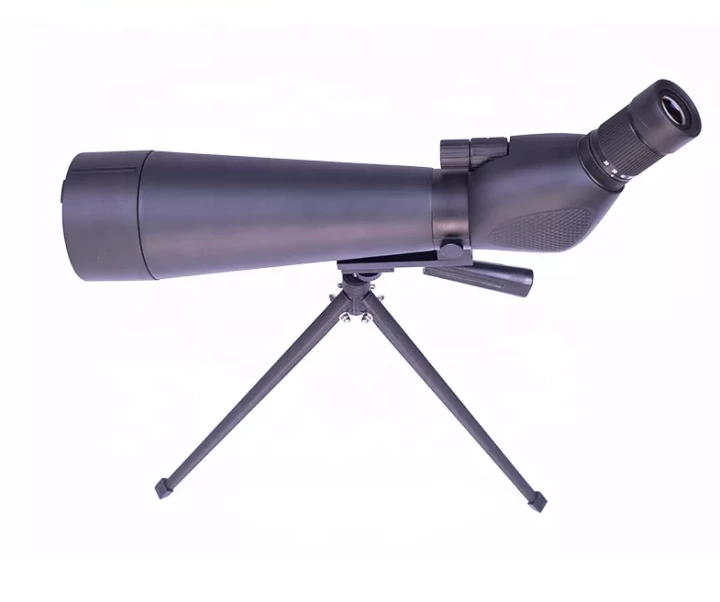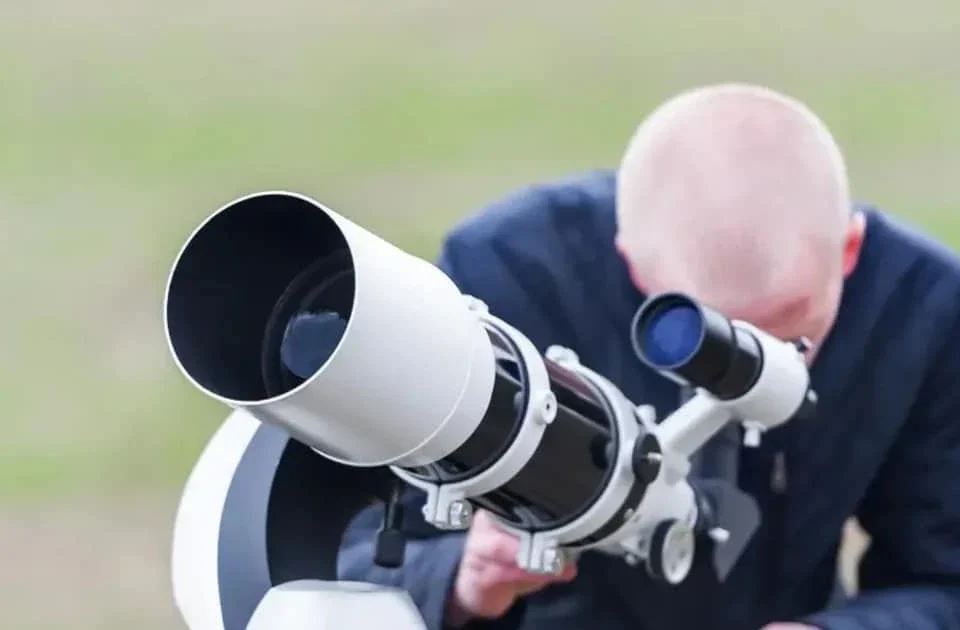
Spotting scopes have become indispensable tools in classrooms, laboratories, and field research, bridging the gap between theory and real-world observation. At Colper Lab, we understand how the right optical equipment enhances learning and research outcomes, and integrating a spotting scope into your educational programs can elevate both curiosity and comprehension. From observing distant wildlife during field trips to studying intricate details in biology labs, a spotting scope provides students with a hands-on approach to learning that complements traditional teaching methods. Educational institutions that prioritise high-quality optical tools often notice higher engagement and improved observational skills among students.
Table of Contents
Selecting the Right Spotting Scope for Educational Use
Choosing a spotting scope for academic purposes goes beyond magnification. Factors such as lens quality, durability, and portability all play significant roles in ensuring effective use over time.
Optical Quality: High-quality lenses with multi-coating provide brighter, sharper images, crucial for observing fine details like insect anatomy or distant plant structures. Schools and universities looking to invest in optical instruments should consider the lens coating as it enhances light transmission and minimises glare, making outdoor observation more effective.
Magnification Range: A scope with variable magnification (15x–60x) is ideal for classrooms where both close and distant objects need examination. Variable magnification allows educators to demonstrate both macro and distant observations without the need to switch equipment. Students benefit from the ability to zoom into details, such as tree canopies, animal movements, or topographic features, making science lessons more immersive.
Durability: Rugged, weather-resistant designs help withstand frequent handling by students and outdoor conditions. Scopes designed for academic use often include reinforced housing and shock-absorbent materials, ensuring longevity even with heavy use in field research programmes.
Portability: Lightweight models and compact designs make transport between labs and field sites easier, especially for student groups. Portability ensures that scopes are not restricted to a single classroom, allowing teachers to incorporate observational exercises in various settings.
In some educational studies, the longevity of optical equipment was directly linked to consistent, proper maintenance and handling.
Selecting the right scope ensures that educators and students can focus on observation rather than struggling with inadequate equipment. This upfront investment in quality also supports curriculum objectives, from biology field studies to environmental science projects, allowing institutions to deliver a richer educational experience.
Mounting and Stability for Spotting Scope Observation
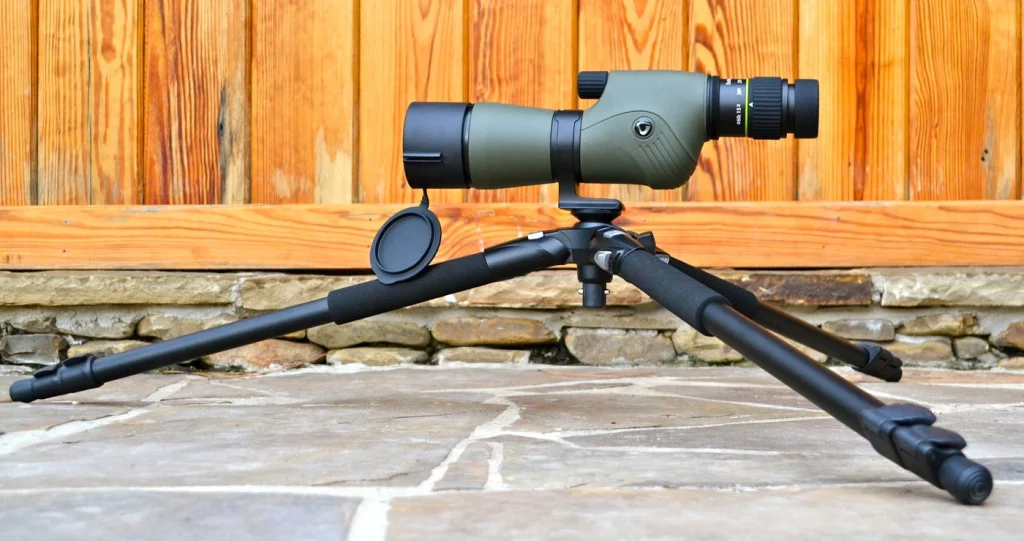
Proper mounting is essential for precise viewing and preventing strain during long sessions. Tripods or fixed mounts offer stability, reducing motion blur and fatigue during extended observations.
Adjustable tripods allow students of different heights to use scopes comfortably. Ball-and-socket heads enable smooth panning, which is particularly important when following wildlife, tracking environmental changes, or scanning large outdoor spaces during geography lessons.
Maintaining a stable setup also reinforces careful handling habits, which translate into better care for other delicate classroom instruments. Students learn the importance of steady observation, a skill that benefits both laboratory experiments and fieldwork.
Research in school labs has shown that equipment mounted securely is more likely to remain functional over multiple academic years, minimising repair and replacement costs.
A properly mounted spotting scope not only enhances viewing clarity but also encourages collaborative learning, as multiple students can share the same perspective without disruption.
Integrating Spotting Scopes into Lesson Plans
Spotting scopes are versatile, offering applications across science curricula, geography, and even history lessons. Creating structured observation exercises ensures that students not only use the scope but also develop analytical skills.
Biology Lessons: Students can examine insect wings, plant structures, or distant birds without disturbing natural habitats. By observing organisms in their natural environment, students connect theoretical knowledge to real-world behaviour, fostering curiosity and environmental awareness.
Astronomy Integration: While telescopes are traditional, spotting scopes provide a supplementary tool for identifying lunar surface features or planetary movement. Scopes with higher magnification enable educators to demonstrate celestial motion and surface details that are usually inaccessible to the naked eye, enhancing lessons in astronomy and physics. For a deeper dive, you can explore sky objects with reflector telescopes.
Environmental Studies: Scopes allow for tracking changes in landscapes, water bodies, and vegetation over time, helping students correlate observations with classroom theory. Long-term observation projects can include monitoring plant growth, bird migration patterns, or erosion effects, making fieldwork a core component of environmental education.
Interactive exercises like sketching, logging measurements, or photographing specimens enhance engagement while fostering long-term scientific literacy. Incorporating spotting scopes into lesson plans encourages students to approach scientific inquiry systematically, improving critical thinking skills and attention to detail.
Field Research: Best Practices for Spotting Scope Use
Field research exposes spotting scopes to dust, humidity, and temperature changes. Even simple precautions can protect the lenses and ensure consistent performance. This helps prevent damage to delicate optics on your spotting scope.
Transport scopes in protective cases or covers, and avoid pointing them directly at bright reflections or extreme heat. Proper handling reduces the risk of scratches, fogging, and misalignment, all of which can compromise observation quality.
After each field session, clean the lenses gently with microfibre cloths and approved lens-safe solutions. Even in urban educational settings, basic care routines have been shown to extend the lifespan of optical instruments significantly. For field tips and classroom applications, see our guide on spotting scopes for field studies.
By teaching students these practices, educators not only preserve the equipment but also reinforce careful handling habits essential for scientific observation. Such routines also prepare students for future field research projects, emphasising responsibility and respect for scientific tools.
Collaborative Learning and Group Observation
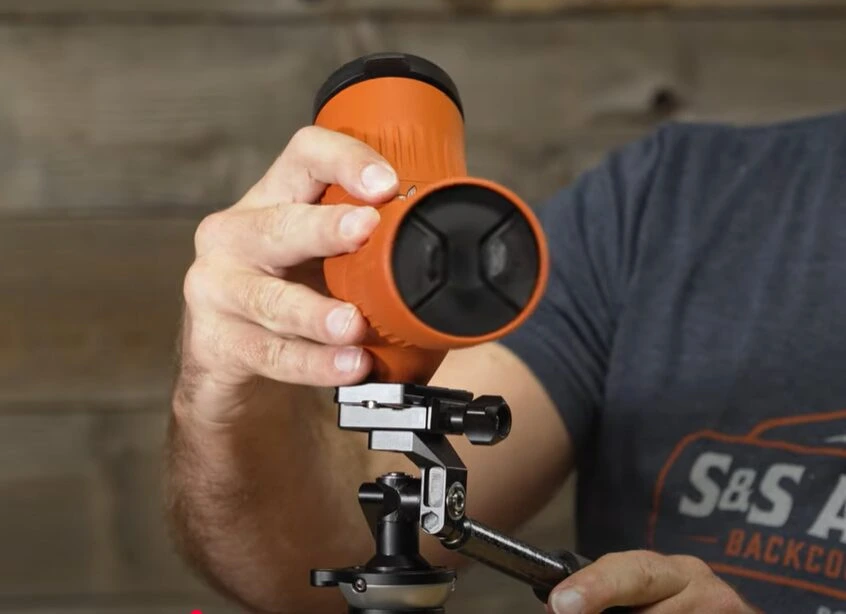
Spotting scopes are particularly effective in collaborative learning environments, where small groups of students can share observations and compare notes. Structured group exercises build both communication skills and critical thinking.
Rotating observation responsibilities among group members ensures everyone gains hands-on experience. This approach also promotes equal engagement, preventing a few students from dominating the activity.
Encouraging discussion of observed details helps reinforce scientific vocabulary and methodology. Students practise articulating observations clearly, analysing findings, and correlating their insights with broader lesson objectives.
Using paired recording systems or digital photography allows students to compile data for further analysis or classroom presentations. Short, focused observation sessions prevent fatigue, maintain engagement, and allow multiple groups to access the scope efficiently, ensuring a smooth flow of classroom or fieldwork activities.
Maintaining Longevity: Cleaning, Storage, and Care
Proper maintenance is key to keeping your spotting scope in top condition and ensuring it delivers clear, reliable observations over time.
When not in use, store scopes in padded cases to protect them from bumps and dust. Regularly check tripod mounts and focus mechanisms to make sure everything operates smoothly. These simple practices reduce the risk of equipment failure and maintain optimal performance.
Clean lenses gently with microfibre cloths and approved lens cleaners, avoiding harsh chemicals or rough materials that could scratch the glass. Maintaining clarity is especially important in classrooms where multiple students share the same scope.
Consistent care routines for binoculars and other optical instruments are often cited as essential for extending the lifespan of equipment in educational institutions.
Incorporating these habits into daily classroom or field routines helps safeguard investments and teaches students the importance of careful scientific practices. Over time, such routines also reduce repair costs and prevent downtime, ensuring that scopes remain reliable educational tools.
Observation Beyond the Classroom
Spotting scopes transform both learning and research by offering a window into worlds too distant or delicate to approach directly. When applied thoughtfully, these instruments enhance comprehension, spark curiosity, and cultivate meticulous observational skills.
For institutions exploring optical equipment catalogues, prioritising quality, versatility, and care ensures that each scope becomes a lasting educational asset. With the right approach, spotting scopes support a wide range of curriculum objectives, from biology and environmental studies to astronomy and geography.
At Colper Lab, we are committed to supporting educators and researchers with reliable tools that meet these needs, helping classrooms and field sites thrive in every exploration. Whether used in indoor labs or outdoor fieldwork, a spotting scope opens doors to new perspectives, turning observation into an engaging, interactive, and impactful learning experience.