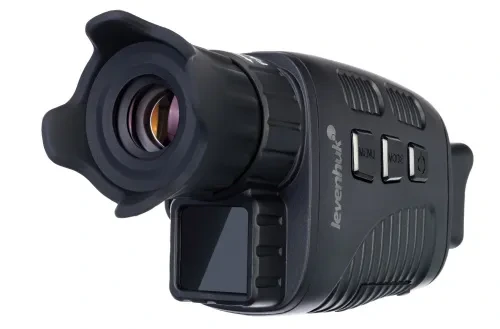
In Sri Lanka, monoculars for field research combine portability, precision, and ease of use. Monoculars offer students, educators, and researchers a practical way to observe the natural and scientific world. At ColperLab, we provide high-quality optical instruments that help learners observe, analyze, and engage with their environment—bridging theory with real-world experience. This guide keeps the same ideas while naturally integrating monoculars for outdoor learning across sections.
Table of Contents
Enhancing Observation Skills with Monoculars for Field Research
Monoculars provide a focused lens to examine distant subjects. Their compact design encourages mobility, making them ideal for field trips and outdoor classrooms. Portable and lightweight, they fit easily into packs for hikes or lab fieldwork.
Beyond portability, bird watching monocular tools allow rapid scanning of large areas without heavy gear. Learners can observe a flock of birds, a distant geological formation, or delicate botanical specimens. Through these observations, students build attention to detail and sharpen critical thinking.
Repeated use of monoculars for field research reinforces memory and learning. Consistent visual tracking improves pattern recognition in ways textbooks cannot. Over time, the monocular becomes an extension of the observer’s senses, revealing subtleties that otherwise go unnoticed.
Supporting Scientific Data Collection with Monoculars for Field Research
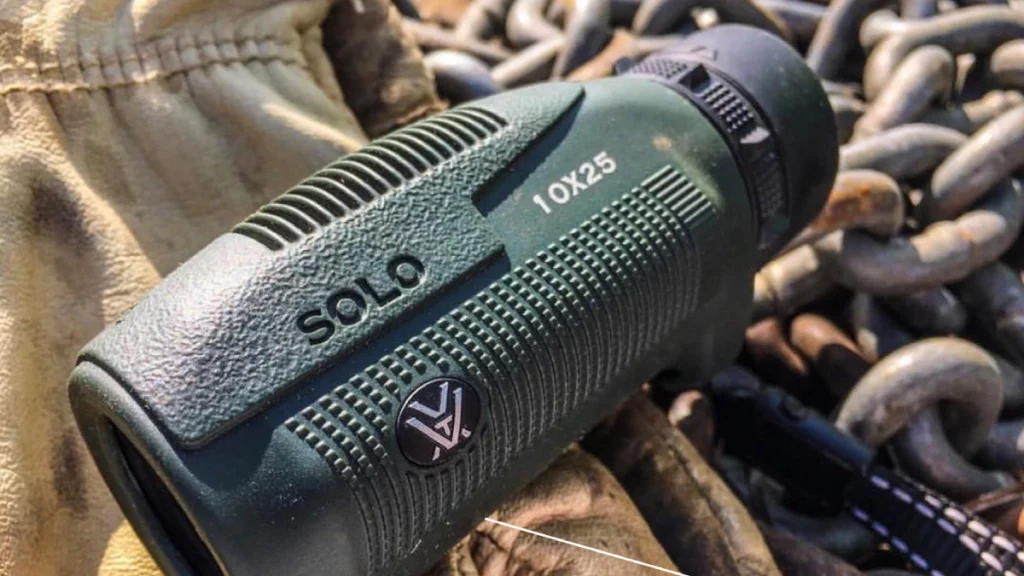
While monoculars are excellent for casual observation, their value in structured research is significant. Students and researchers use monoculars for field research to monitor environmental variables and track behavior without disturbing subjects. From bird migration and marine life to assessing plant growth, they support accurate documentation.
Non-invasive observation preserves data integrity—vital in ecological and educational studies. Low-light monocular performance and clear optics assist in recording behavioral or ecological information with precision. By enabling hands-off observation, monoculars help maintain authenticity in data collection and support ethical research.
Bridging Outdoor Experiences and Classroom Learning
Integrating field observations into classroom tasks strengthens conceptual understanding. Students compare direct experiences with diagrams, lab experiments, or simulations, improving comprehension and retention. Monoculars for field research turn passive field trips into active learning where discovery drives inquiry.
This approach supports science, geography, and environmental studies, giving practical context to abstract concepts. By fostering curiosity and investigative thinking, learners develop observation-based reasoning that extends beyond class. Optical experiences raise engagement in STEM programs and shape lasting learning habits.
Precision and Versatility of Monoculars for Field Research
One of the most valuable features of monoculars is adaptability. From dense forests to open fields, waterproof monocular 8×42 options handle different light and distance conditions, delivering clear, accurate views. Many modern models include digital zoom, basic stabilization, and low-light optimization—useful for monoculars for field research across habitats.
Monoculars perform reliably in bright sun and low light, capturing details that might be missed. Their compact design allows smooth shifts between fieldwork and indoor analysis. For learners comparing optical choices, see our guide on zoom vs fixed binoculars for field studies to understand how magnification behavior affects field workflows.
Encouraging Collaboration and Shared Learning
Field research thrives on teamwork, and monoculars for field research make collaborative work easier. Multiple users can share observations without extensive training, promoting peer-to-peer learning and discussion.
Observing together encourages dialogue around phenomena and helps groups align their understanding of complex systems. Collaborative tools in outdoor learning improve analytical skills and problem-solving efficiency, making group inquiry more interactive and rewarding.
Bringing Precision to Cataloged Research and Educational Resources
Monoculars are not just for observation—they support documentation and curation. Schools and labs can catalog images, field notes, and data gathered through monoculars for field research, creating visual records that support experiments, biodiversity assessments, and exploratory projects.
Integrating observations into structured cataloging bridges practical research with digital archiving. For long-term optical performance, see our care guide on proper care and binocular maintenance—many upkeep principles help keep monocular glass clean and aligned for repeatable results.
Seeing Beyond the Naked Eye
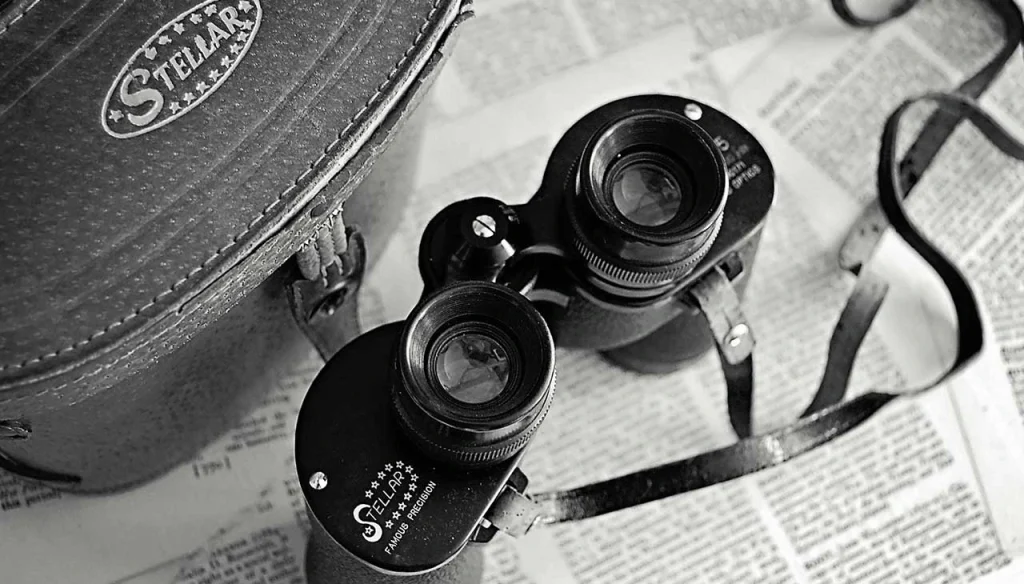
Monoculars for field research transform outdoor learning from a glance into an analytical experience. Their portability, precision, and collaborative potential make them indispensable for schools, universities, and research labs seeking to expand observational capability.
For learners and researchers alike, the ability to observe and document the world with clarity sparks curiosity that lasts beyond the field. Monoculars are more than tools—they’re gateways to discovery and sustained engagement with the natural and scientific world.