Digital monoculars are transforming how students, educators, and researchers interact with the world in Sri Lanka. Compact, versatile, and technologically advanced, these devices bridge the gap between observation and analysis, making fieldwork and laboratory studies more accessible and engaging. Providing schools, universities, and research labs with high-quality educational observation tools enhances learning experiences while fostering curiosity, attention to detail, and precision in scientific inquiry. Investing in such devices ensures that students and researchers are equipped to observe and analyze their surroundings in ways previously reserved for specialized scientific equipment.
Table of Contents
Compact Design Meets Powerful Optics in digital monoculars
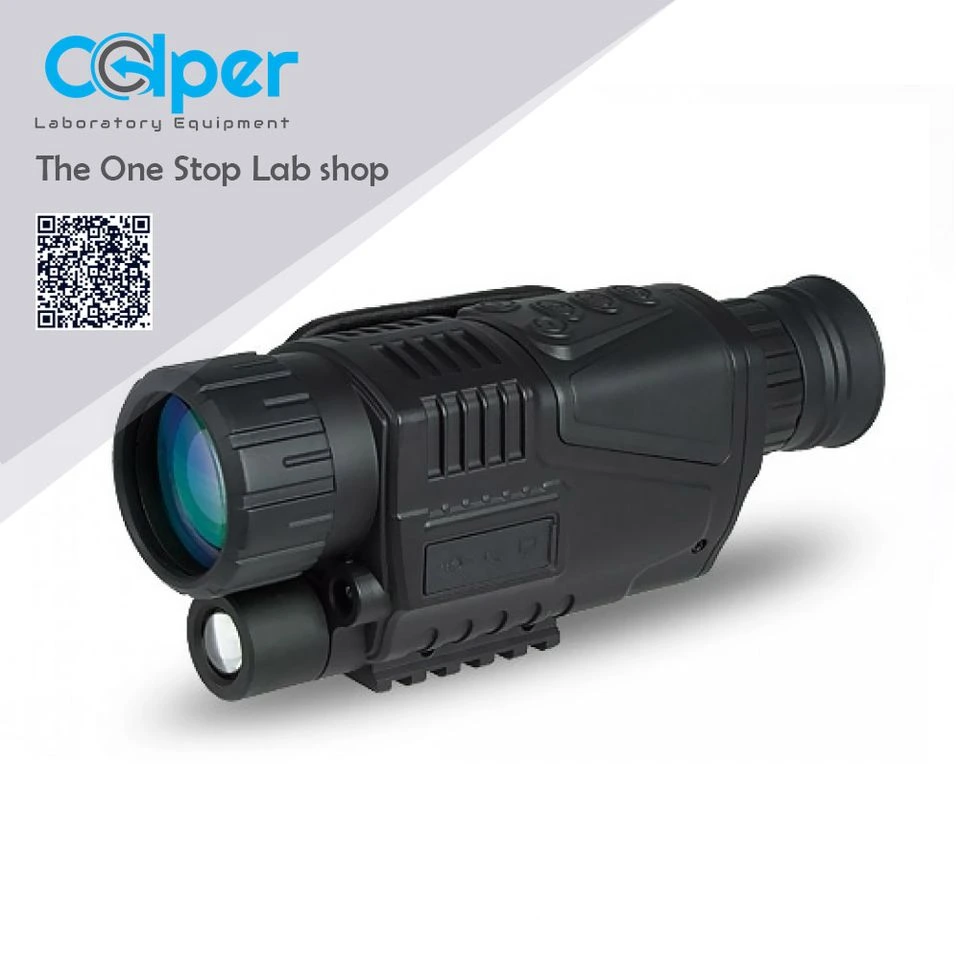
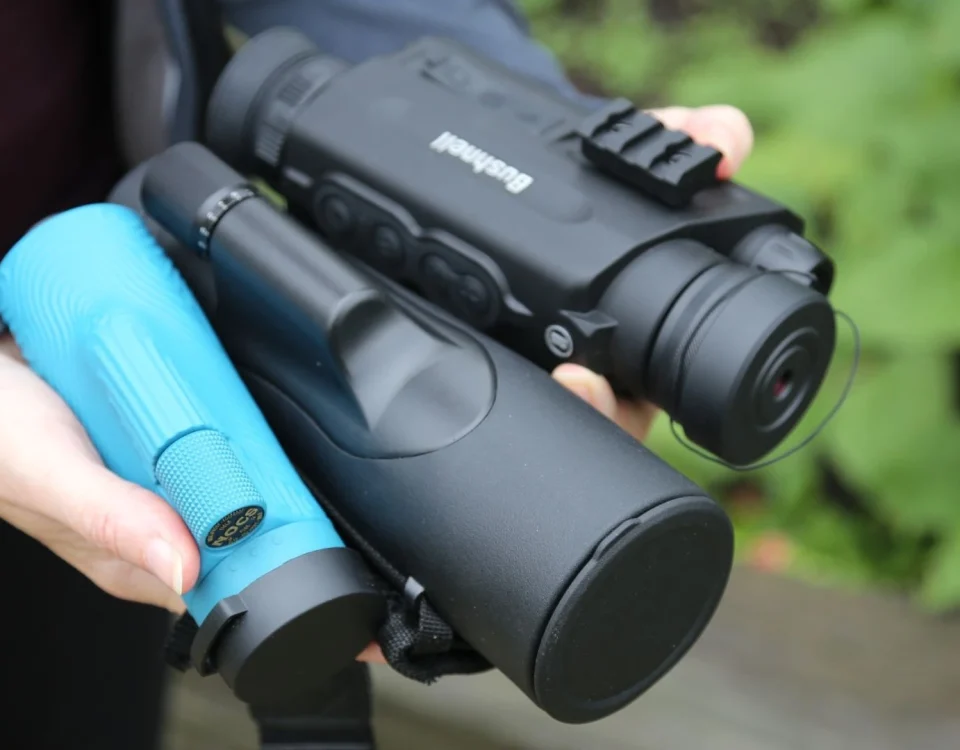
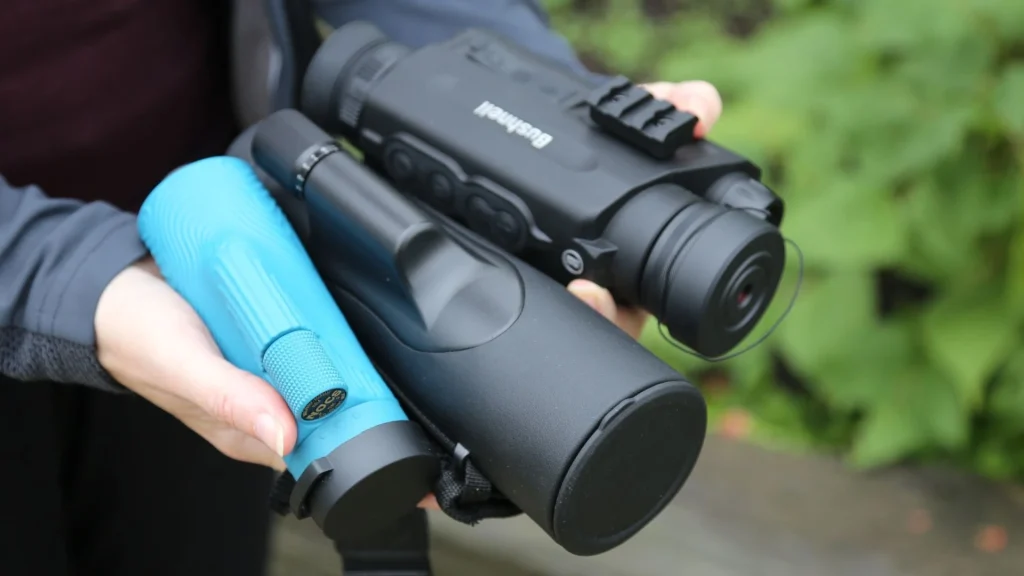
Digital monoculars are designed for effortless portability. Unlike traditional binoculars or larger telescopic equipment, these devices are lightweight and simple to handle.
Ideal for students on biology field trips or environmental science excursions.
Allows researchers to survey local habitats without bulky equipment.
Perfect for spontaneous observations of rare wildlife or temporary environmental phenomena.
Key optical features:
With digital monoculars, you get:
- Precision optics for high-resolution, clear images even in low-light settings.
- Digital zoom and image stabilization to capture distant details without blur (compare zoom vs fixed binoculars for field studies
- Compact form factor makes them ideal digital monoculars for schools and educational labs.
Exploring celestial objects with compact reflectors has always demonstrated that the right instrument can make abstract science tangible. Modern digital monoculars bring the same experience to terrestrial observation, giving students first-hand insights into detailed scientific study.
Seamless Technology Integration in digital monoculars
Digital monoculars have evolved beyond purely optical devices to become integrated technology hubs. Many models now include Wi-Fi connectivity, video recording, and real-time image sharing, enabling educators and researchers to document and analyze observations efficiently. Students can share their findings with peers during field trips, and instructors can guide lessons in real time, even from remote locations.
Live streaming facilitates collaborative observation sessions in classrooms or STEM learning environments, encouraging teamwork and discussion. Captured images and videos can be uploaded directly to digital lab notebooks or cloud platforms, making documentation straightforward and accessible. Some devices even incorporate GPS and tracking features, which are particularly useful in environmental studies, allowing for precise mapping of observation sites or recording movement patterns in wildlife research.
High school astronomy labs often employ reflector telescopes to bring planetary observations closer to students, showing how instrumentation can enhance both accessibility and comprehension. Digital monoculars bring this same concept into everyday learning environments, proving that technological integration can amplify teaching and research without adding complexity.
Elevating Field Research Accuracy
Digital monoculars provide unmatched precision for research, but their advantages go beyond portability.
Accuracy in fieldwork:
With digital monoculars, you can:
- Measure distance, size, and relative positions with ease.
- Work at sensitive sites where larger instruments would be impractical.
- Take quick measurements of plant growth, wildlife activity, or landscape changes.
Advanced functionality:
- Sensors calculate environmental conditions, such as light intensity, for contextual accuracy.
- Integration with analytical software allows data to be immediately usable in reports or research (see monoculars for field research support
Observing faint celestial bodies has long shown how instrumentation can reveal layers of data not visible to the naked eye, a concept mirrored in terrestrial research with monocular technology. Combining portability with analytical precision makes digital monoculars reliable and efficient field research instruments.
Engaging Students Through Hands-On Learning with digital monoculars
The hands-on nature of digital monoculars encourages active learning. Students participate directly in the observation process, moving beyond passive note-taking or textbook reliance. This engagement promotes critical thinking, hypothesis testing, and problem-solving, particularly during field trips or project-based exercises. By seeing phenomena firsthand, students develop an intuitive understanding of scientific principles that textbooks alone cannot provide.Project-based learning becomes more effective with these devices, as students can document findings, capture images, and present digital reports to classmates or instructors. Observation-driven projects spark curiosity, promote collaborative learning, and create a sense of ownership over one’s scientific exploration. Digital monoculars for schools bridge theory and practice, making field research and lab activities approachable, tangible, and exciting for learners at every level in Sri Lanka.
Durable and Cost-Effective Tools for Institutions
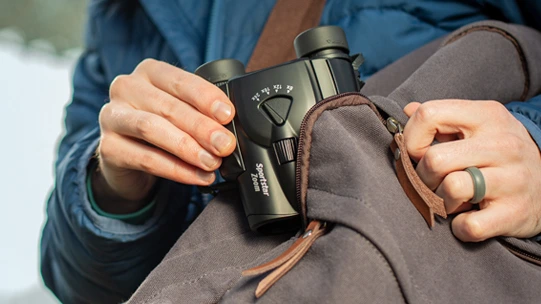
While advanced technology often comes with high costs, digital monoculars are surprisingly accessible for academic and research environments. Designed for frequent use, many models are rugged, water-resistant, and capable of withstanding the demands of outdoor exploration. Durable housing reduces the likelihood of damage, and long-lasting battery life supports extended field sessions or lab experiments without frequent recharging.For institutions, the ability to equip multiple classrooms or lab groups without exceeding budgets is essential. Scalable purchases allow entire classes to access the benefits of digital monoculars, while maintenance remains minimal compared to traditional optical equipment. For longevity tips, see proper care and binocular maintenanceCombining durability with advanced functionality ensures that schools, universities, and research labs can provide students with high-quality STEM learning equipment that remains reliable over time, reinforcing both learning and research capabilities.
Future-Ready Observation
Digital monoculars are not just tools for today—they are investments in education prepared for tomorrow. With increasing emphasis on STEM learning, technology-driven fieldwork, and remote research capabilities, devices that adapt to evolving educational standards are essential. Modern monoculars support cross-disciplinary learning, integrating lessons in environmental science, biology, geology, and astronomy. They are equally valuable in remote labs and distance-learning initiatives, enabling students to participate in scientific observation regardless of location.
These instruments prepare students for a technological world where observation, documentation, and data analysis work hand in hand. Just as early telescope use revealed unseen planetary details, these modern instruments open new dimensions for young learners and researchers alike. By merging traditional observation with digital capabilities, digital monoculars redefine how knowledge is acquired and applied, offering a new level of engagement and insight into the natural and scientific world.
From catalog selection to hands-on deployment, digital monoculars empower schools, universities, and research labs in Sri Lanka to expand the boundaries of observation and learning. Equipping educational institutions with these high-quality educational observation tools ensures that students and researchers have access to instruments that foster curiosity, precision, and engagement, supporting meaningful exploration of both terrestrial and celestial environments.